
22/10/2026 00:31
Save the Fitting Demo or Share Its Link? TikTok Downloads for Cambodian Apron Shops

An apron fitting video can serve two different purposes: introduce a product to someone browsing TikTok, or help a café supervisor explain the strap adjustment to colleagues later. Those purposes call for different preparation. A saved demonstration needs to make sense without the conversation surrounding the original post. For Cambodian apron makers promoting to cafés, food stalls and workshops, the useful question is whether the video remains accurate when it travels. This workflow connects that decision to content preparation, download settings, customer enquiries and responsible evaluation of SMM panel services.
1. Start with the task the viewer needs to complete
Before changing any setting, write one sentence describing the intended use. For example: help a café supervisor identify the adjustable neck strap and show staff how this particular apron fits. That is a manageable teaching task. A video trying to explain fitting, embroidery options, washing, delivery and wholesale ordering at once becomes difficult to use as a reference.
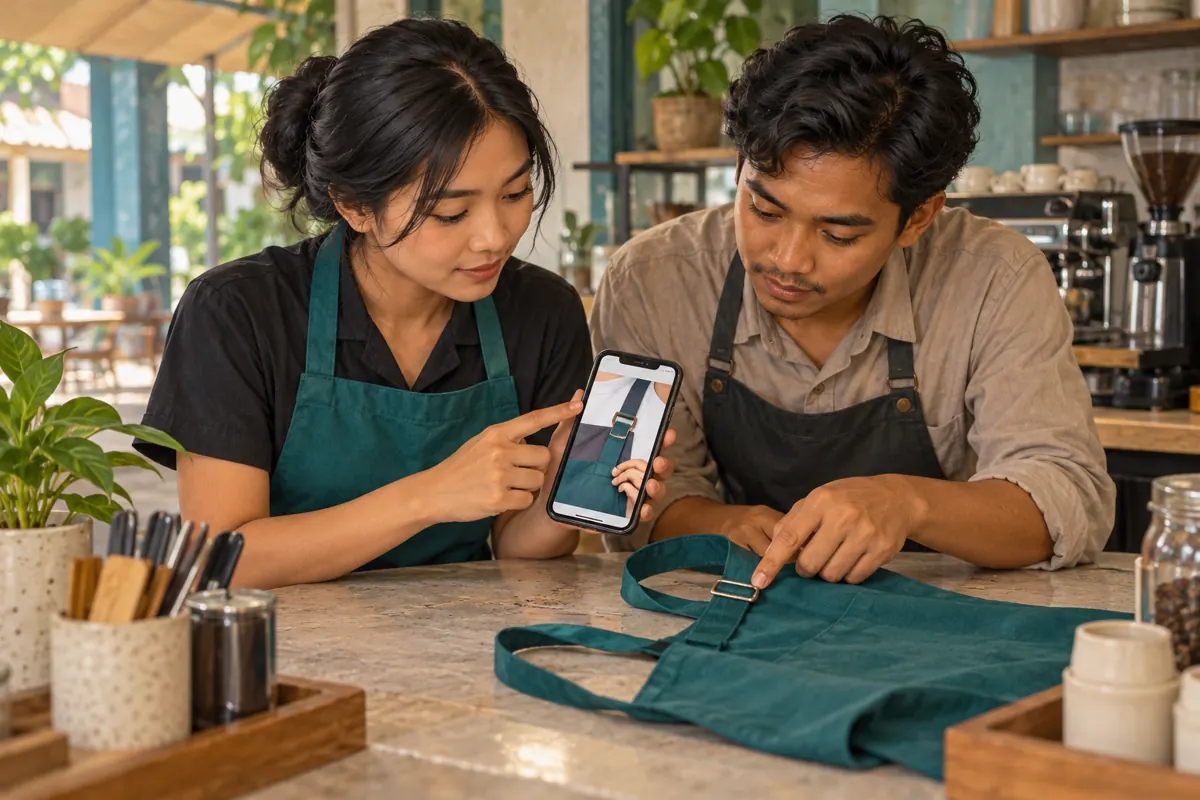
Consider a hypothetical apron workshop in Phnom Penh supplying a café in Siem Reap. The café manager wants to show a colleague the buckle mechanism before discussing an order. A reusable fitting demonstration could help that conversation. A clip announcing a temporary stock clearance serves a different purpose because its commercial details may expire. Decide which job the video performs before choosing how freely you want copies to circulate.
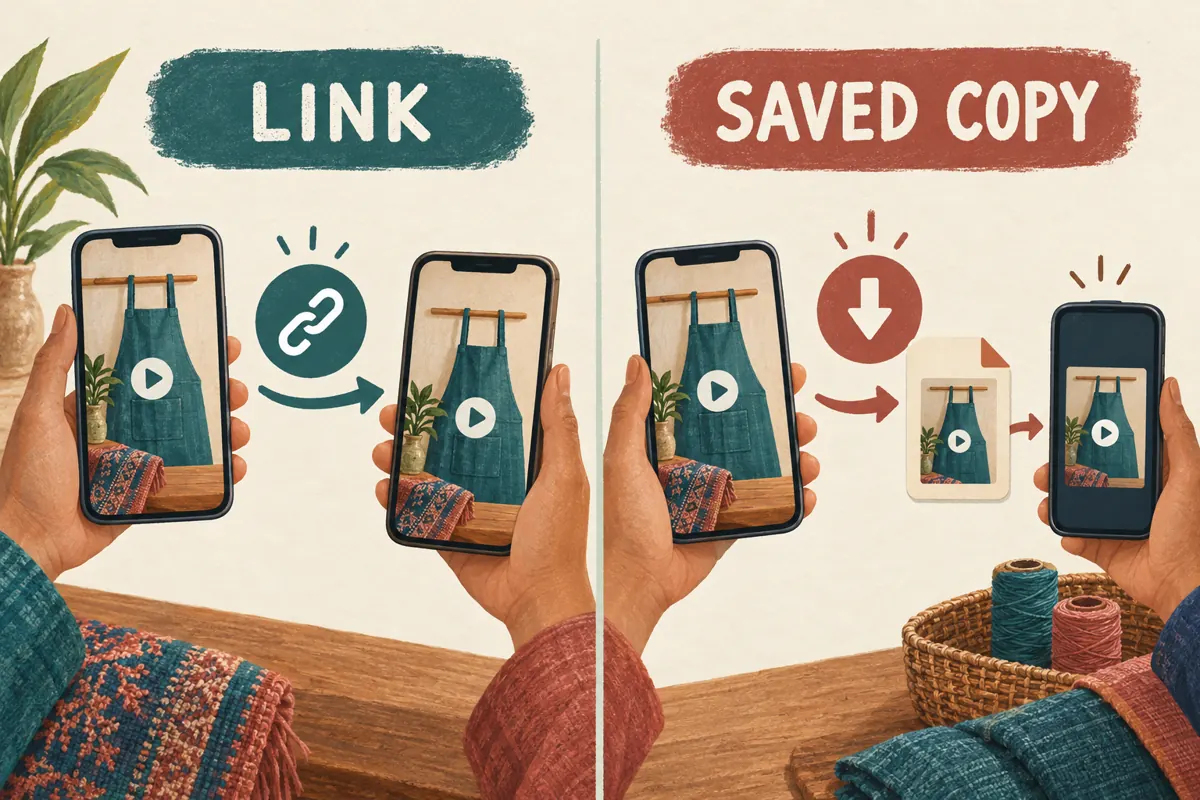
2. Separate a link from a portable copy
A link directs someone toward the published post. A downloaded file becomes a separate reference that may be viewed away from that post. TikTok says people can still share links when downloads are disabled. It also explains that switching downloads off does not remove files people previously downloaded. These limits make the decision a content planning issue as well as a privacy setting.
For your workshop, ask what information must accompany the demonstration wherever it goes. The apron model, relevant strap type and any important limitation should be understandable inside the video. Avoid relying on a comment to explain that a fitting method applies only to one design. If someone receives the file through a colleague, they may never see that comment or know that another apron in your catalogue uses different hardware.
3. Use a practical decision process before enabling downloads
Work through three questions. Is the information likely to stay useful? Does the clip stand on its own? Are you comfortable with this approved material circulating beyond the original audience? A straightforward fitting guide may satisfy all three. An unfinished customer sample, an unreleased design or a clip containing a personal order label needs another review before any public promotion.
If the guide is useful but incomplete, improve it first. If the information changes frequently, direct customers toward a maintained source for current details. If the footage should not circulate publicly, reconsider what you show rather than treating a download switch as your entire protection plan. Record the reason for the decision in ordinary language, such as: approved for sharing because it shows a standard product and contains no temporary price.
4. Review the account setting and the existing catalogue
TikTok's documented route is Profile, Menu, Settings and privacy, Privacy, then Downloads. There you can turn Video downloads on or off. The control affects existing and future posts, so review older material before changing it. TikTok also states that private accounts and accounts belonging to people under 16 cannot enable downloads. Consult the official guidance if the option is unavailable.
For an established apron shop, scan earlier posts for customer uniforms, sample embroidery, old offers and behind-the-scenes paperwork. Decide whether each remains suitable for the account's current sharing approach. Assign the setting decision to the person responsible for the business profile, and record the review date. A filming assistant should know the agreed approach before preparing another demonstration, especially when several people contribute content to the same account.
5. Build a fitting demonstration that survives separation
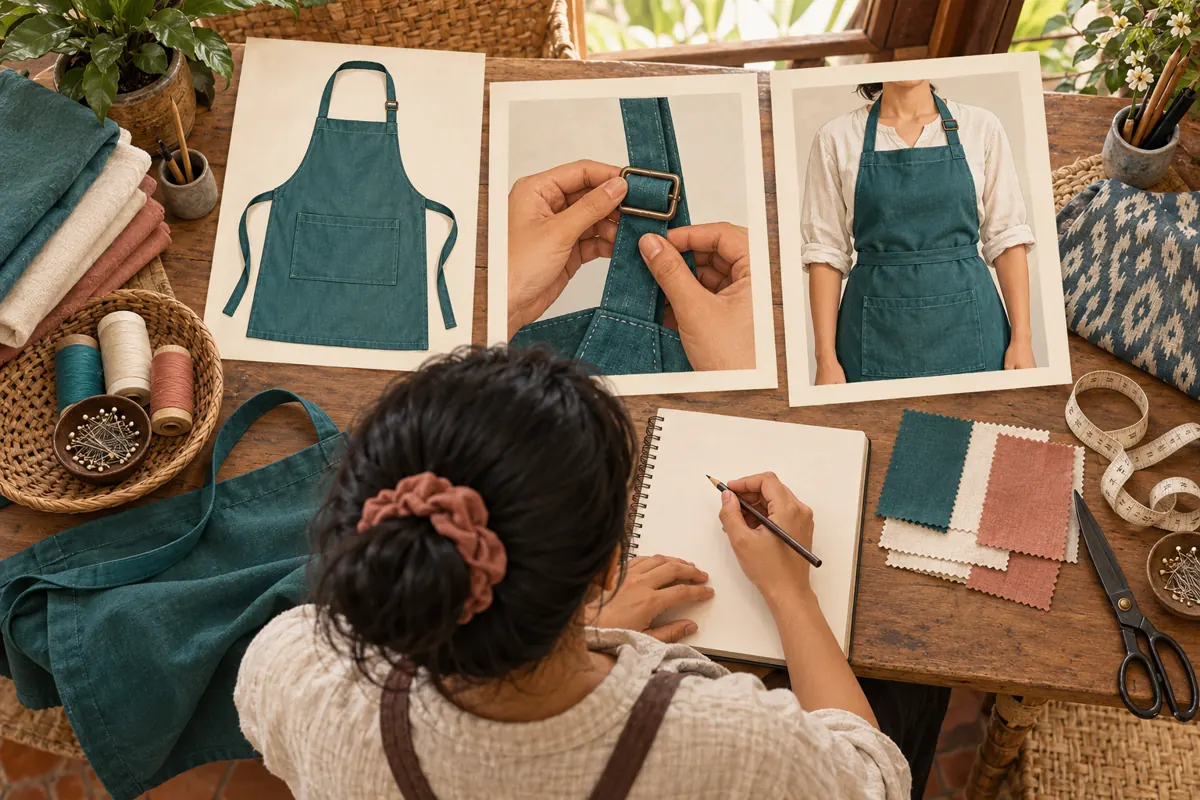
Plan three visual stages: identify the apron, show the adjustment, and show the resulting fit. Start wide enough to establish the whole garment. Move closer for the buckle operation, keeping fingers clear of the important opening. Finish with the apron worn normally so the viewer can connect the small adjustment to its practical effect. Use the actual product you intend to discuss.
For a hypothetical Cambodian café supplier, the narration might explain that the demonstration covers the standard adjustable neck strap, while cross-back versions need a different guide. Use Khmer narration if that is what the intended customers understand, and review any supporting captions with a fluent speaker. Keep workshop identification discreet but readable. Do not fill the frame with ordering instructions that obscure the movement customers are trying to learn.
6. Keep changing sales details outside the reusable lesson
Separate stable product instruction from information that needs frequent confirmation. The buckle movement may stay the same while available fabric colours, embroidery capacity and collection arrangements change. A reusable demonstration can explain the movement and invite viewers to ask about current options. This reduces the chance that a forwarded file becomes an accidental promise about stock or timing.
If an offer genuinely belongs in the video, state its conditions clearly and include a meaningful date rather than saying only today or this week. Do not imply that changing the original post will update an independent file. In the hypothetical café enquiry, staff should confirm the requested apron design and current availability before quoting. The demonstration helps identify a product; it does not reserve that product or approve an order.
7. Test understanding with someone outside the edit
Ask a colleague who did not make the video to watch the approved file on a phone. Give them the matching apron and ask them to identify the strap and explain the adjustment in their own words. Watch where they hesitate. If they confuse the neck strap with a waist tie, improve the framing or explanation instead of assuming a longer caption will solve the problem.
Repeat the review without the original post description. Check whether the opening identifies the product, whether the hand movement remains visible, and whether the closing instruction makes sense independently. Test audio in an ordinary working environment as well as a quiet room. This is a comprehension check, not a performance forecast. A colleague understanding the demonstration does not establish that future viewers will enquire or buy.
8. Keep SMM service claims separate from the sharing decision
A panel listing cannot decide whether your video deserves to be saved. One exact public listing supplied for smmvr.com is “TikTok - Likes ~ Bot Profile ~ Max 500k ~ 50k/Days ~ Instant ~ 𝐍𝐎 𝗥𝗘𝗙𝗜𝗟𝗟”. Its title identifies a likes offer and explicitly includes Bot Profile. The supplied description is empty, so the title provides no basis for verifying delivery claims, audience location or customer interest.
TikTok's Community Guidelines prohibit services that artificially increase engagement or manipulate its recommendation system. Treat that rule as a reason to reject artificial engagement proposals. Purchased engagement is not evidence of Cambodian users, genuine interest, sales or official ad delivery. A panel service also cannot repair an unclear buckle demonstration, confirm a customer's size requirement or determine whether a saved copy remains accurate. Put practical content work and genuine customer support ahead of counter changes.
9. Review useful enquiries rather than inferring demand
After sharing the guide, note the questions people actually ask. Useful examples include whether the neck strap can be replaced, whether a cross-back option exists, or whether the shown apron accommodates a particular work task. Record these as questions, not confirmed orders. If a customer says a colleague forwarded the demonstration, note that stated source without assuming you can reconstruct every step of its journey.
Use a simple enquiry record containing the date, product discussed, unresolved question and next action. Keep quotation approval and order confirmation as separate events. In a hypothetical review, repeated questions about which buckle is shown might suggest that the opening shot needs improvement. They would not prove broad market demand. Likewise, a quiet period does not by itself show that allowing downloads was a mistake; the content, audience and buying situation may all matter.
10. Prepare for old copies and avoid common mistakes
Keep an approved master file and a short internal note identifying the product version it demonstrates. When the buckle or strap construction changes, compare the new product with the old guide before promoting it again. Prepare an updated explanation where needed. If an enquiry refers to an older clip, ask the customer to identify the apron they have and explain the difference directly.
Common mistakes include enabling downloads without reviewing older posts, hiding an essential condition in a comment, and treating a shared demonstration as a confirmed buying decision. Another is promising that disabling a feature will erase material already in circulation. Give one staff member responsibility for deciding when a demonstration needs revision. This creates a practical maintenance habit: review the guide whenever the product changes, rather than waiting until a customer struggles with the wrong instructions.
Frequently asked questions
Should every Cambodian apron shop enable TikTok downloads?
No. Base the choice on the material and the customer's task. A stable fitting lesson may be useful as a portable reference, while an account containing sensitive samples or frequently changing offers needs more preparation. Review the wider catalogue and choose an approach the team can maintain consistently.
What if customers need current prices as well as the demonstration?
Let the demonstration identify the product and explain its use, then ask customers to confirm current commercial details with the shop. Request the model, quantity and any customisation needed before quoting. This keeps a reusable lesson useful without turning an old file into an assumed price commitment.
Does a customer forwarding the video mean the shop has gained a lead?
It indicates sharing only if you have reliable evidence that sharing occurred. Someone may be teaching a colleague, comparing designs or asking a friend for advice. Treat an actual enquiry as an enquiry, then establish the requirement. Do not label an unknown recipient as an interested buyer.
How should the shop respond when someone follows an outdated fitting guide?
First identify their apron and the guide they used. Explain the relevant construction difference and provide the correct demonstration if available. Review where your team still distributes the old file. A calm, product-specific correction is more helpful than blaming the customer for having an earlier copy.
Can an SMM panel tell us whether the downloadable guide is effective?
An order record cannot establish that viewers understood a demonstration or used it successfully. Evaluate those questions through practical viewing checks and genuine customer conversations. Keep any service documentation separate, reject artificial engagement proposals, and avoid describing a change in counters as proof that Cambodian buyers found the guide useful.
Explore the current service catalogue, create an account, or ask a specific question through support tickets.
Prepared with AI assistance. Illustrations explain the workflow and do not represent customer results.