
22/10/2026 18:17
Real Glaze or Colour Filter? TikTok Video Checks for Cambodian Ceramic Shops
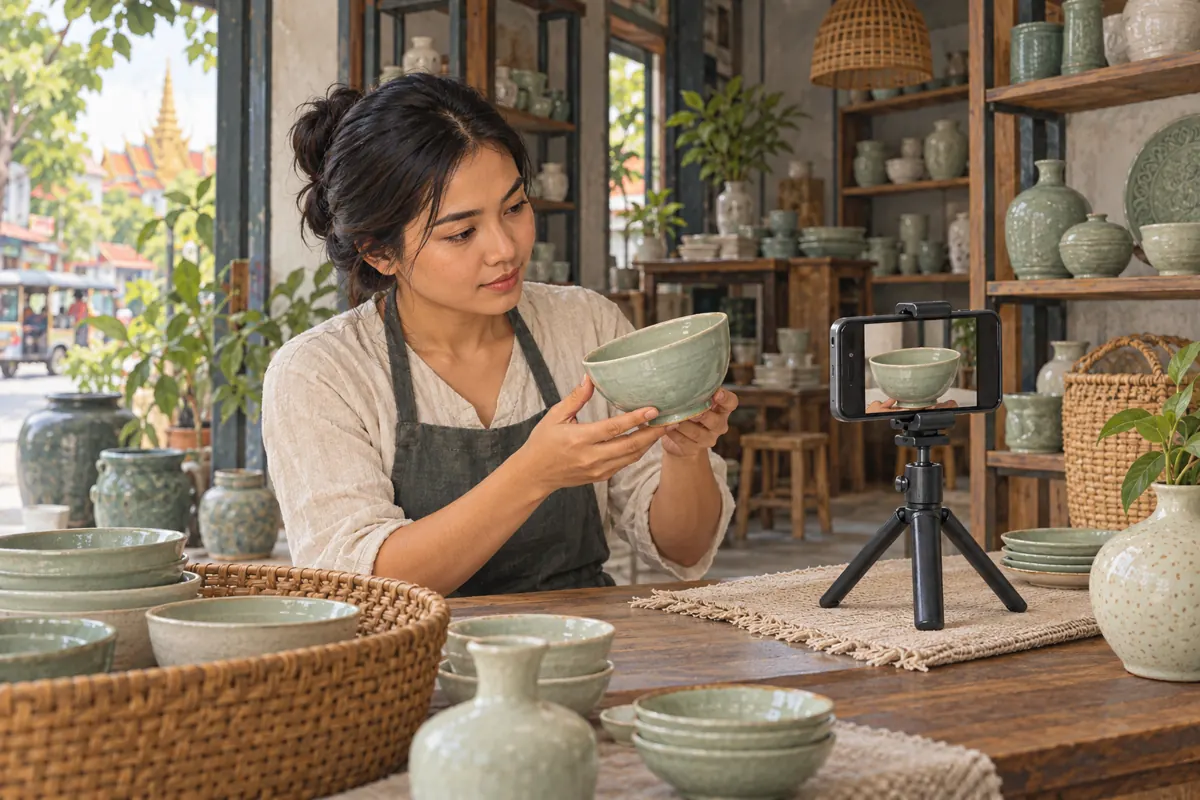
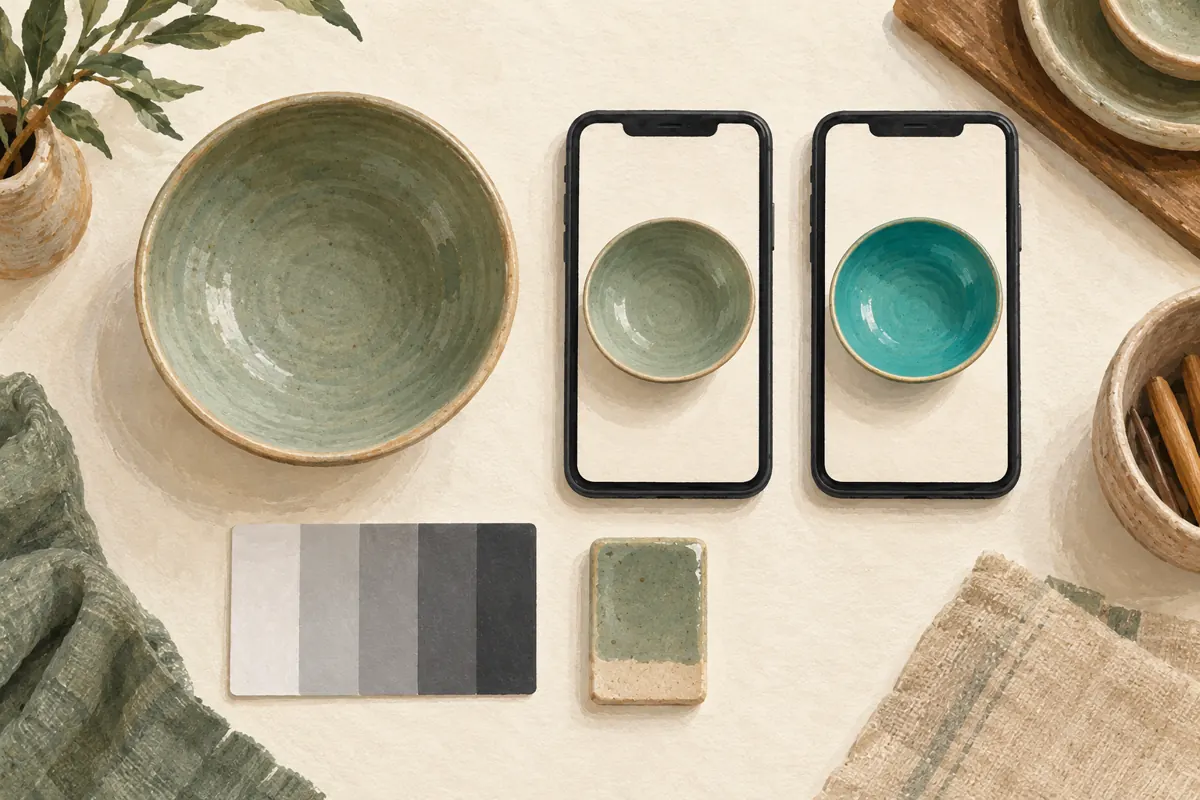
A ceramic bowl can look muted green on the shop counter and bright turquoise in a promotional video. A customer may then ask for a colour the shop never stocked. For Cambodian ceramic businesses using TikTok, this creates a practical question before promotion: does the video help someone choose the actual product? The answer requires checking the physical item, recording conditions and edited footage together. A higher play count cannot resolve a colour mismatch. This workflow explains how to prepare a useful colour demonstration, handle uncertain customer requests and evaluate an SMM-panel listing without confusing purchased engagement with product approval or local demand.
1. Decide what the video must help someone choose
Begin with one buying question. A video showing the shape of a serving bowl has a different job from a video comparing two similar green glazes. For a colour comparison, the viewer needs stable lighting, identifiable samples and enough time to see each surface. A dramatic transition may make the clip attractive while making that comparison harder.
In a hypothetical Phnom Penh shop, customers keep asking whether a bowl is grey-green or blue-green. The owner prepares a comparison using two actual pieces from current stock. The purpose is to help customers identify which sample they want to discuss. It is not to promise that every phone will display an exact match, or that every handmade piece will be identical.
2. Establish a physical reference before filming
Select the actual item you intend to show and give it a simple internal reference, such as Bowl A. Record its stock code, glaze description and whether the pictured piece is individually available or represents a batch. Keep the reference with the filming notes so another employee can find the right object later.
Place nearby alternatives beside it before recording. If staff cannot reliably distinguish them using the planned description, improve the description first. Use observable features such as a darker rim, visible speckles or a glossy interior. A physical glaze sample can help staff maintain consistency, but it should not substitute for inspecting the finished piece. Keep the sample and bowl together during review.
3. Make the lighting repeatable
Choose a filming position where the light stays reasonably consistent throughout the take. A shaded storefront may be convenient, but changing daylight and nearby lamps can alter the appearance between shots. Avoid recording one glaze beside a window and its comparison beneath a warm bulb. That introduces a second explanation for the difference viewers see.
Use a plain, neutral background and check whether coloured surroundings reflect onto the glaze. Rotate the bowl slowly to show reflections and surface variation without turning every angle into a different lighting setup. Record a short reference shot before making the finished video. Note where you filmed and which lamps were on, allowing a colleague to repeat the setup when new stock arrives.
4. Review effects before trusting the preview
TikTok supports creative effects, including effects made by creators through its own tools. Their presence is a reason to inspect the result carefully when colour is part of the sales message. TikTok’s official announcement describes these creative capabilities; it does not establish that an effect preserves product colour. Source: https://newsroom.tiktok.com/mobile-effect-editor?lang=en
Before filming the final take, inspect the active camera and editing options available in your app. Remove decorative treatments that visibly alter the bowl’s hue, surface texture or surrounding light. Compare the preview directly with the physical object. If the footage already contains a colour treatment from another editor, changing a TikTok setting will not necessarily restore the original appearance. Return to the untreated recording when available.
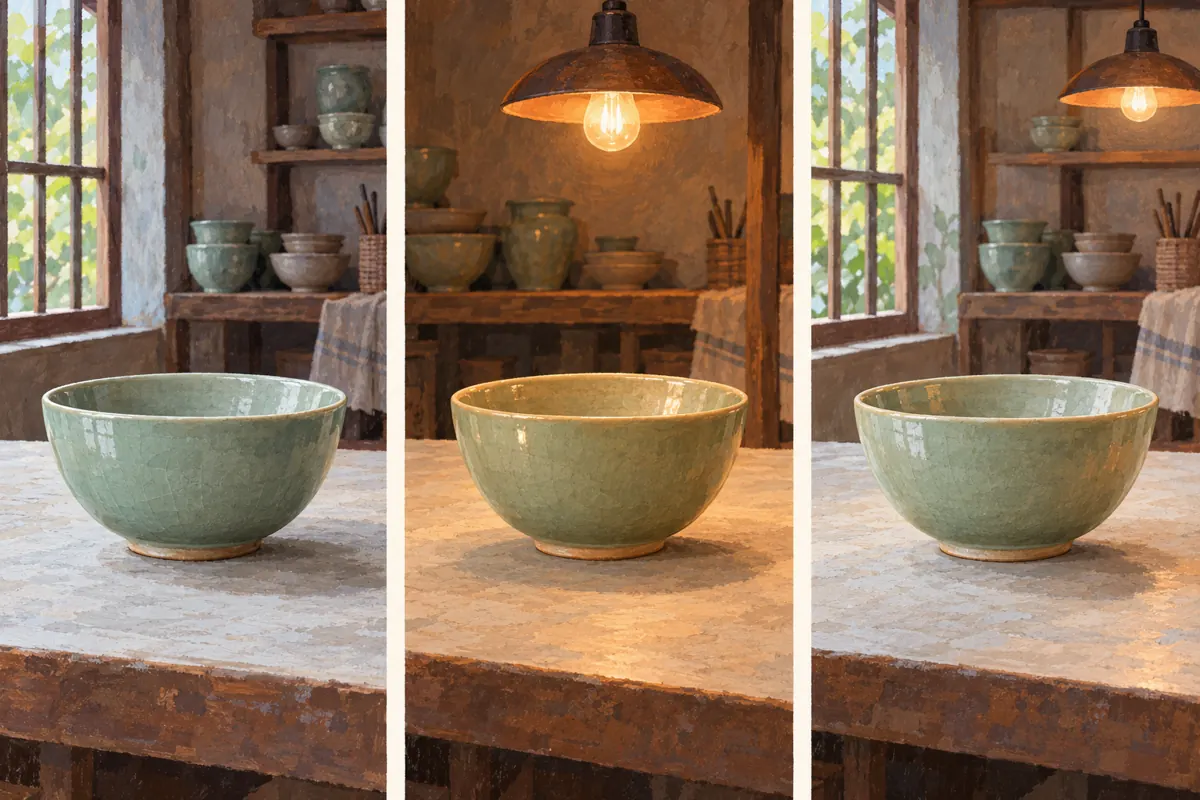
5. Build a short demonstration with a clear reference
Open with the bowl under the chosen lighting, then show the exterior, interior and rim. If comparing finishes, keep both samples visible together for part of the video. This lets viewers understand their relationship within one scene. Avoid cutting so quickly that a customer must repeatedly pause to work out which sample is which.
In the hypothetical shop, the owner places a plain reference card beside each bowl and uses matching identifiers in the caption. The spoken explanation describes the visible difference in the language customers commonly use, with Khmer wording checked by a fluent colleague. Staff retain the original stock codes even if the public description uses simpler colour names. This keeps enquiries connected to the correct shelf item.
6. Compare the original, edited file and viewing result
Review three stages separately: the original camera recording, the finished edit and the version being prepared for TikTok. If the original looks wrong beside the bowl, revisit the filming conditions. If the original is acceptable but the edit looks strongly different, inspect the editing choices. This sequence helps avoid trying to solve a recording problem with more colour adjustment.
Watch on another ordinary phone if one is available. Treat disagreement between screens as a reason to communicate uncertainty, rather than choosing whichever display looks most flattering. Check the whole clip, including transitions and close-ups. A neutral opening does not compensate for a heavily altered final shot. Keep a short approval note identifying the file reviewed and any remaining limitation.
7. Write a caption that supports a useful enquiry
State what is shown, which sample identifiers apply and whether individual pieces vary. Explain the next step for a buyer who needs a close match. For example, a hypothetical caption could say: “Sample A has a grey-green glaze and darker rim. Ask for a current-stock photo before choosing a set.” Use that wording only if it accurately describes the item.
Avoid treating “screen colours may vary” as permission to publish an obviously distorted image. Correct preventable differences first. If exact matching matters for a café table setting or an existing household set, offer a physical inspection or an appropriate sample comparison when the business can provide it. Also apply TikTok’s required commercial content disclosure when promoting the shop’s products. Source: https://www.tiktok.com/community-guidelines
8. Apply a separate decision to SMM-panel services
The supplied SMMVR catalogue includes “TikTok Video Views ~ Max Unlimited ~ 10M/Days ~ Instant ~ 𝐍𝐎 𝗥𝗘𝗙𝗜𝗟𝗟”. Its title identifies a video-view service, but the supplied description is empty. The wording does not independently verify delivery speed, audience location, viewer intent or compatibility with platform rules. A catalogue title should therefore be recorded as a provider claim, not converted into a campaign forecast.
TikTok’s Community Guidelines prohibit trading services that artificially boost engagement or manipulate its recommendation system. Decline services that conflict with those rules. Purchased engagement is not evidence of genuine interest, sales, official ad delivery or Cambodian viewers. It also cannot tell you whether customers understood the glaze correctly. For this workflow, direct effort toward accurate creative material and legitimate promotion rather than using a counter increase as approval. Source: https://www.tiktok.com/community-guidelines
9. Handle colour enquiries without guessing
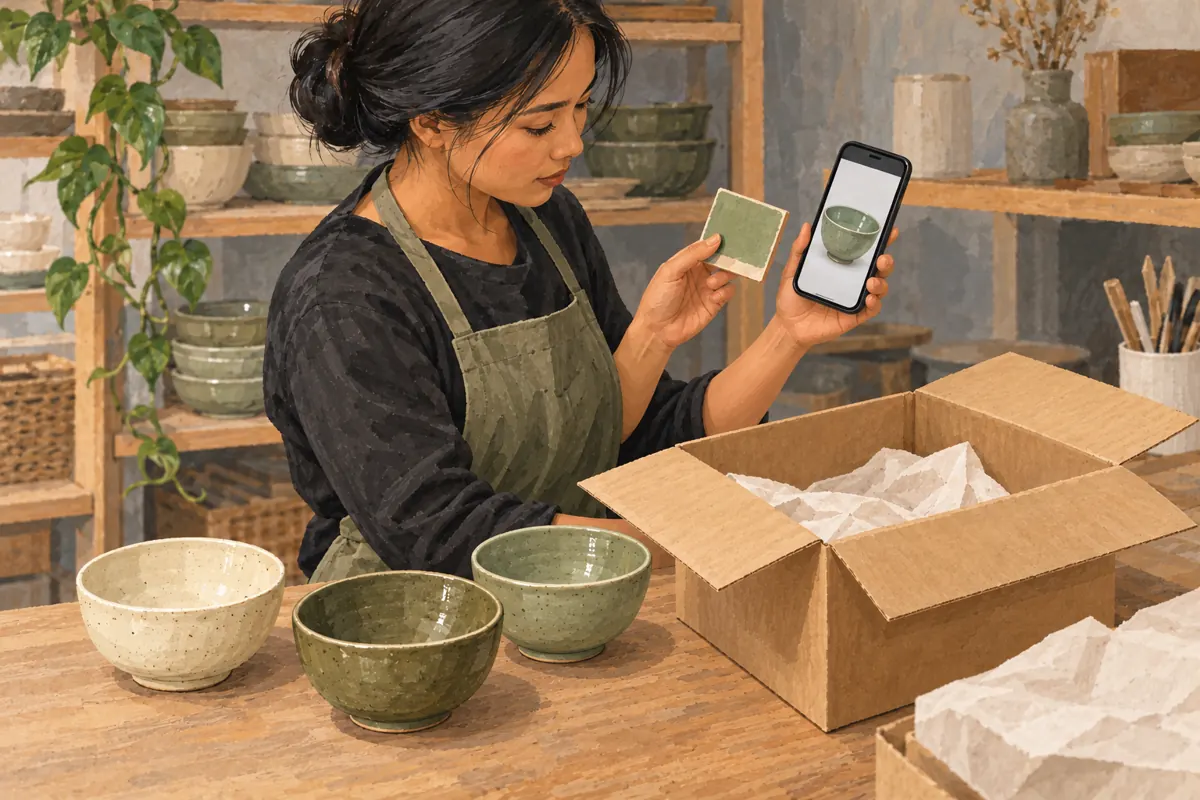
When someone asks for “the green bowl in your video”, confirm the sample identifier before quoting or packing. Ask which visible feature they mean if several pieces appear. Then check current stock under the same reference conditions. A saved screenshot from the customer can help identify the scene, but it cannot establish an exact physical colour.
For a hypothetical buyer in Battambang ordering from Phnom Penh, staff might send a fresh comparison of the available pieces before confirming the selection. Record which piece or batch the buyer approved and explain any known variation. Keep personal delivery details in the appropriate private order record. If the requested appearance exists only because of an editing effect, explain the mismatch and offer an accurate view.
10. Review misunderstandings before repeating promotion
Keep a small log of colour-related questions: which sample was mentioned, what the buyer found unclear and whether a new photo resolved it. Look for recurring ambiguity rather than treating every question as a failure. If customers consistently confuse the two samples, revise the comparison framing or identifiers before filming another decorative variation.
Common mistakes include changing the lighting between samples, applying an attractive filter after approval, showing an old batch without explanation and interpreting likes as purchase preference. Another mistake is keeping a misleading video in circulation because it already has activity. Correct the sales reference and brief staff on the current version. Evaluate the workflow by whether staff can identify requested items and resolve uncertainty, without claiming an unmeasured sales improvement.
Frequently asked questions
Must a ceramic shop avoid every creative effect?
No. Choose effects according to the video’s purpose. A playful workshop introduction can use creative treatment without serving as the colour reference for a sale. When a clip asks viewers to choose a glaze, preserve a clear view of the actual product and remove treatments that obscure the relevant difference. Keep artistic presentation and purchase information clearly identified.
Can we call a video colour-accurate if no filter was used?
Avoid making that absolute claim. Lighting, camera processing and viewing screens can still affect appearance. Describe the recording conditions only when you know them, and provide a practical way to resolve uncertainty. Saying that no decorative filter was applied is narrower than promising an exact match on every device, but it should also be true.
What if we only have one phone for filming and review?
You can still compare the recording with the physical bowl under the same lighting and inspect the original against the edited file. Ask a colleague to check the sample identifiers and explanation. A second device is a useful additional check, not a prerequisite. Keep the limitation in mind and avoid guaranteeing how the colour will appear elsewhere.
Should we replace footage whenever a new ceramic batch arrives?
Inspect the new batch before deciding. If its appearance differs enough to affect a customer’s selection, create a fresh reference and stop presenting the previous batch as current stock. If the footage remains representative, retain it with accurate context. Either way, staff should know whether the video shows the exact piece available or an example of a variable finish.
Can additional purchased views show which glaze customers prefer?
No. Purchased views do not establish a viewer’s location, preference or buying intent. Even ordinary viewing activity alone does not explain why someone watched. Use genuine, clearly understood enquiries and confirmed selections to inform stock discussions, while recognising that a small set of responses may not represent the wider market. Keep any service-delivery record outside that preference analysis.
Explore the current service catalogue, create an account, or ask a specific question through support tickets.
- TikTok Newsroom: Create effects on the go with TikTok's mobile effect editor
- TikTok Community Guidelines
Prepared with AI assistance. Illustrations explain the workflow and do not represent customer results.