
22/10/2026 14:39
Wrong Envelope Size in the Demo? YouTube Corrections for Cambodian Stationery Shops

A useful envelope demonstration can contain one sentence that creates an expensive misunderstanding. The presenter says a measurement, a buyer repeats it to a printer, and an invitation run is prepared around the wrong size. For a Cambodian stationery shop promoting wedding envelopes, document sleeves or invitation supplies, correcting that sentence matters more than attracting additional attention to the upload. YouTube offers a timestamped corrections feature, but a written note cannot resolve every misleading demonstration. This guide explains how to verify the mistake, choose between a correction and a fresh recording, and make sure promotional work uses information that customers can actually rely on.
1. Identify the buying decision affected by the mistake
Begin with the customer's decision, rather than the appearance of the video. Does the error affect which envelope someone orders, the dimensions they send to a printer, or whether a folded invitation will fit? A mistaken colour name might need a short clarification. A claim that a particular card fits an envelope deserves a physical check before the shop continues recommending it.
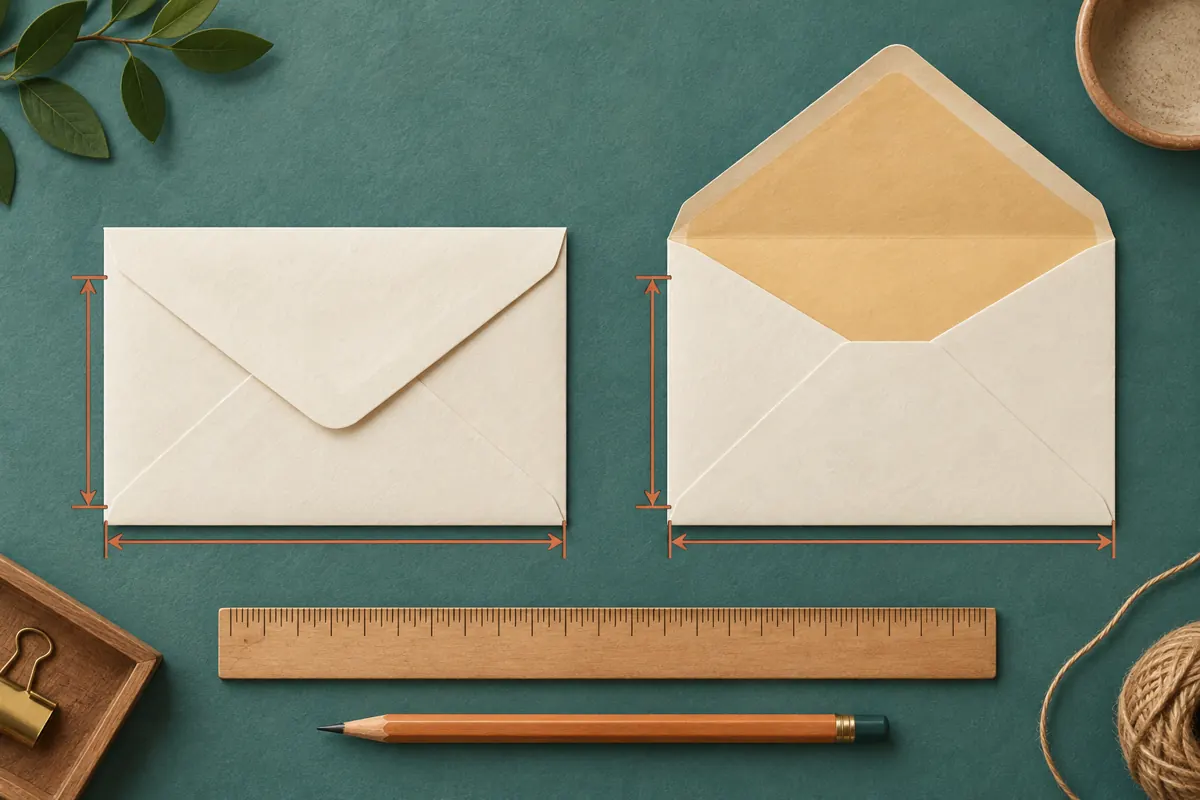
Consider a hypothetical Phnom Penh stationery shop whose presenter calls an envelope 16 centimetres wide when the sample measures 15 centimetres across its outside edge. These figures are illustrative, not product specifications. The immediate task is to establish which sample appears in the recording and whether the spoken measurement influenced any current enquiries. Do not substitute the dimensions of a similar envelope from another shelf.
2. Verify the sample before writing the correction
Retrieve the actual sample if it is available. Record its stock reference, colour, closure style and the batch information the shop already keeps. Place it flat beside a ruler, then distinguish the envelope body from the open flap. Also distinguish an outside measurement from usable space inside. A card matching the envelope's outside dimensions should not automatically be described as fitting inside it.
Ask another staff member to repeat the measurement without first being told the expected answer. Then test the intended insert, including folds or extra layers that matter to the enquiry. This is a shop checking procedure, not a universal sizing standard. If the original sample cannot be identified, explain that uncertainty and avoid publishing a precise replacement measurement based only on how the envelope looks on screen.
3. Choose a correction note or a new demonstration
A correction note is most useful when the error is isolated and the surrounding demonstration remains understandable. For example, the presenter may briefly misspeak while showing the correct sample and a clearly positioned ruler. Write down what remains accurate and what needs changing. This prevents a small repair from becoming a vague claim that everything in the upload is now verified.
Refilming is the stronger editorial choice when the wrong measurement appears repeatedly, the video demonstrates the wrong product, or the central fit claim fails a physical test. Stop actively sharing that version while deciding how to handle it. Do not let accumulated views determine whether misleading guidance stays in circulation. A clear new demonstration can be more useful than asking buyers to mentally reverse several instructions.
4. Add the timestamped correction in YouTube Studio
YouTube's official instructions describe opening Studio, selecting Content, choosing the video and editing its description. Add the English label Correction: or Corrections:, followed on a separate line by the relevant timestamp and explanation. The Help page says to place this section after any video chapters. Save the change. Keep that required label in English even when the explanation is written for Khmer-speaking customers.
For the hypothetical example, the entry could read: “Correction:” followed on the next line by “0:42 The envelope shown measures 15 cm across the outside edge, not 16 cm as stated. This is not the usable internal width. Please confirm your insert size before ordering.” Replace the timestamp and dimensions with verified details from the actual upload. This example is a writing model, not text to paste without checking.
5. Make the explanation useful to Cambodian buyers
Write the correction in the language customers use when discussing the product. A shop serving Khmer-speaking buyers should have a fluent reviewer check the explanation, especially distinctions such as width, height, folded size and outside edge. Preserve familiar stock codes exactly. If a bilingual explanation is useful, keep both versions adjacent so readers do not have to search through unrelated promotional copy.
State the mistaken claim, the verified replacement and the action a buyer should take. Avoid a vague apology such as “size updated” that leaves the important detail unstated. For invitations, a practical next step might be sending the finished folded dimensions or bringing a sample for checking. Do not turn the correction into a promise that every card with similar measurements will fit.
6. Test the saved correction as a viewer
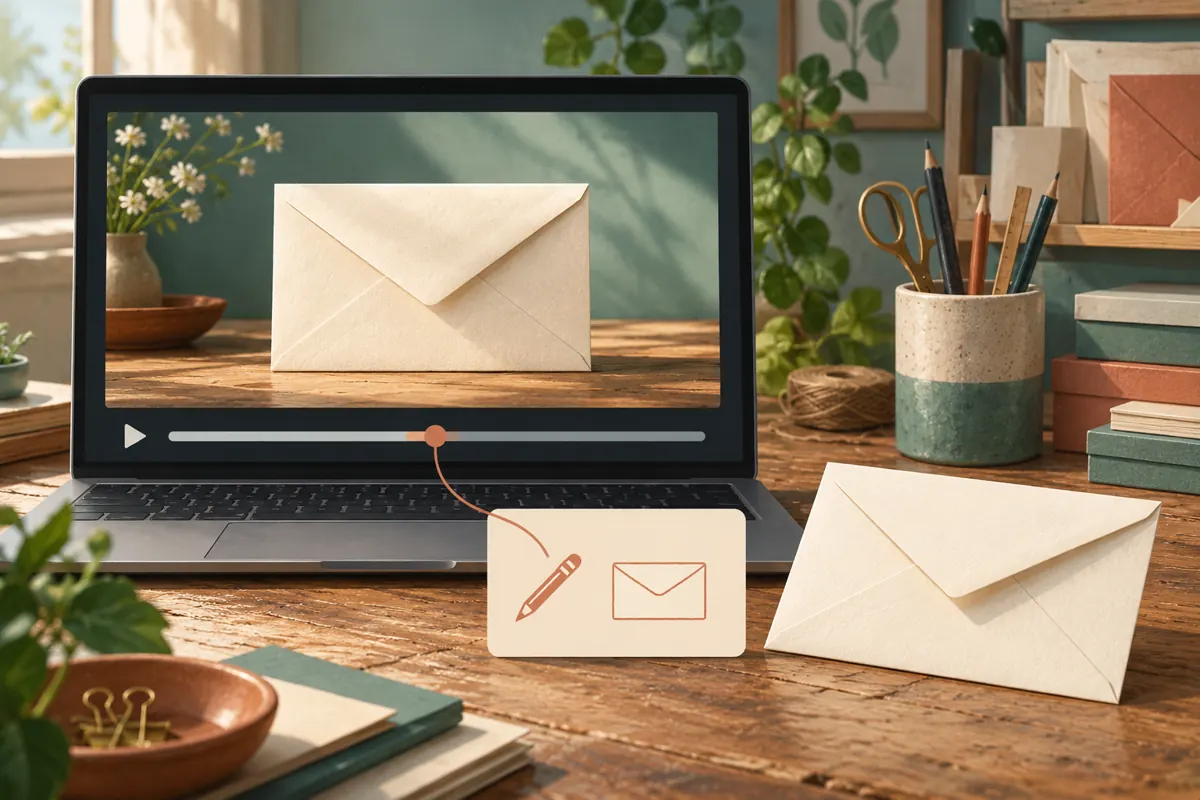
YouTube's official blog explains that the correction can surface through an information overlay directing viewers to the description entry. Its Help page also lists availability restrictions, including active channel strikes and content that may be inappropriate for some viewers. Check the actual viewing experience instead of assuming that adding the label has made the correction obvious to everyone.
Play the video from before the mistaken sentence on the devices your team normally uses for review. Confirm the timestamp, read the saved explanation and compare it with the physical sample. Ask a colleague who did not draft the note to explain what changed. If that colleague still confuses outside width with insert width, rewrite the explanation. A technically saved correction is not necessarily a comprehensible one.
7. Trace where the wrong measurement travelled
The YouTube description is only one place where a product claim may live. Search the shop's own approved promotional materials for the same measurement: post drafts, product graphics, quotation templates and messages awaiting a reply. Correct each affected item in its own context. Do not assume that a downloaded excerpt, copied caption or printed reference will inherit a change made to the video description.
For a hypothetical invitation enquiry already being discussed, a staff member could explain that the earlier demonstration misstated the outside width and ask to recheck the proposed insert before confirming the order. Keep the message factual and specific. Record whether that enquiry has been reviewed, but avoid placing customer names, phone numbers or private order details into the public correction.
8. Review SMM services separately from the factual repair
An SMM panel cannot correct the spoken measurement or establish that buyers understood it. The supplied public catalogue includes “USA Social Shares from Facebook” in a YouTube shares category, but provides no descriptive explanation of delivery. That title alone does not establish how the service works, who receives anything, or whether it is suitable for this Cambodian shop. Do not infer Cambodian targeting, authentic interest or official affiliation.
Before considering any promotion provider, establish its actual method and compare it with YouTube's rules. YouTube prohibits artificial increases in engagement metrics and warns that a hired promoter's actions can affect the channel. Reject methods that artificially inflate engagement. Purchased engagement is not evidence of genuine interest, sales, ad delivery or Cambodian users. Fixing the content does not make an otherwise prohibited promotional method acceptable.
9. Give the team a clear release decision
Keep a short internal record containing the video link, affected timestamp, original statement, verified correction, sample reference and reviewer. Add a plain release decision: ready to share, awaiting a sample check, or awaiting a new recording. Assign one person to confirm that decision before the video returns to customer replies or planned promotion. This avoids different staff members circulating different versions of the same claim.
If an external service request already references the upload, record its identifier separately and check the provider's documented options. Do not assume cancellation, pausing, target changes or refunds are available. A correction in YouTube does not itself amend an outside order. The shop can still immediately stop its own new sharing and give staff accurate wording while it resolves any separate service question.
10. Measure clarity rather than celebrating the counter
After the correction, review whether enquiries contain the details needed to advise buyers: finished insert dimensions, folded thickness, quantity and the exact envelope reference. Keep examples anonymised. A buyer asking a precise fit question is useful feedback about the conversation, but it is not automatically proof that the correction caused better enquiries. Stock changes, different posts and staff replies may also influence what people ask.
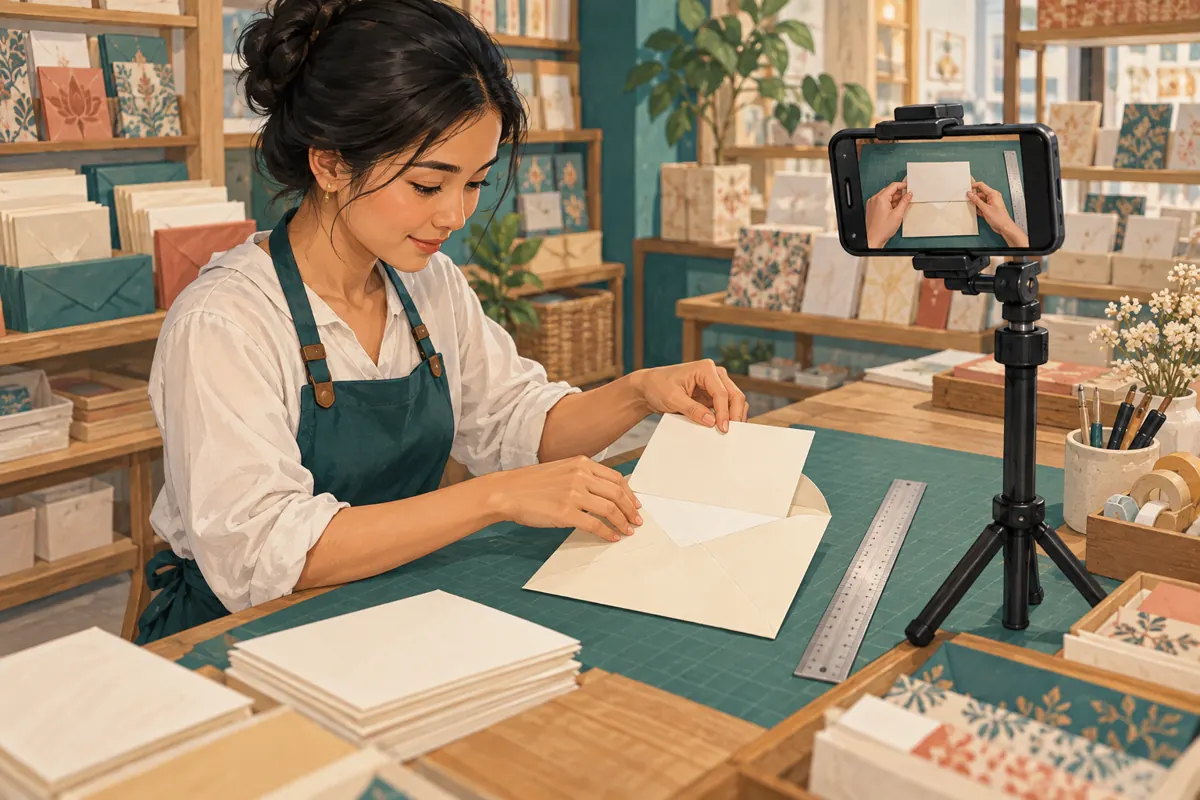
Common mistakes include correcting the description while leaving a wrong measurement in promotional artwork, giving internal dimensions that were never checked, and using a correction note to defend an unusable demo. Another is treating likes as confirmation that the specification is accurate. Before the next recording, have the presenter say which edges are being measured and show a real insert test. That makes the next explanation easier to verify.
Frequently asked questions
Does a YouTube correction replace the incorrect sentence in the recording?
Treat it as an accompanying explanation, not a replacement recording. The original spoken claim still needs to be considered when assessing whether the demo is useful. If viewers must ignore several statements or reinterpret the main demonstration, refilm it. Test the result with someone unfamiliar with the mistake rather than relying only on the editor's judgement.
Should an envelope correction include both centimetres and millimetres?
Include both only when they help the customer and the conversion has been checked. Consistent units are usually easier to follow than switching repeatedly. Name what is being measured as well: an outside width and a usable internal width remain different quantities even when expressed in the same unit. Avoid implying more precision than your sample check supports.
What if the current stock differs from the envelope shown?
Separate a historical mistake from a stock change. A new batch does not prove that the old measurement was wrong. Identify the sample shown if possible, explain which item current advice covers, and create a fresh demonstration when the differences affect buying decisions. Do not silently attach a new specification to an older product image.
Can the shop keep sharing the video while the correction is being checked?
If the disputed detail could cause an incorrect purchase or printing decision, hold new sharing until it is resolved. Staff can answer enquiries using individually verified information in the meantime. For a minor error unrelated to product choice, make a proportionate decision, but still assign a reviewer and completion point so the correction is not forgotten.
How should a shop report the correction to a marketing client?
Report the error, the evidence used to verify the replacement information, the affected materials and the final release decision. Keep any service delivery record separate from customer outcomes. Do not describe an increase in engagement as proof that buyers saw the correction, understood the dimensions or purchased the right envelope.
Explore the current service catalogue, create an account, or ask a specific question through support tickets.
- YouTube Help: Edit video settings
- YouTube Official Blog: How to add corrections to YouTube videos
- YouTube Help: Fake engagement policy
Prepared with AI assistance. Illustrations explain the workflow and do not represent customer results.