
21/10/2026 09:29
Does the Whole Rug Fit the Frame? YouTube Filming Choices for Cambodian Rug Shops

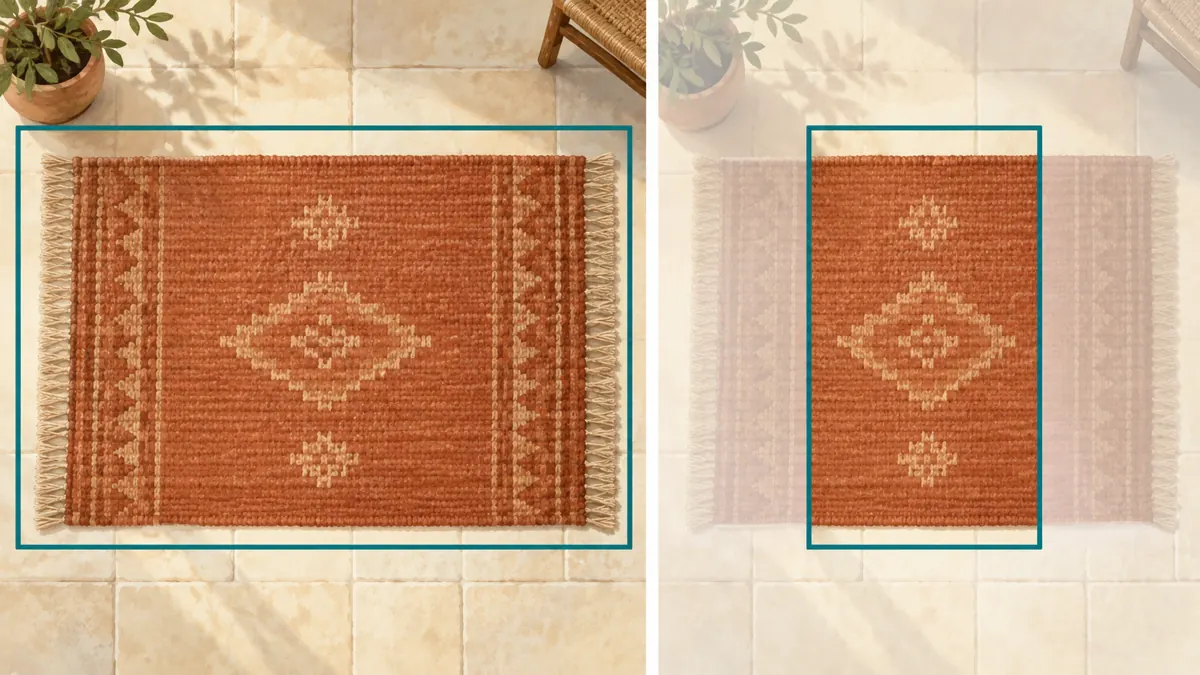
A rug demonstration can show beautiful weaving while leaving a buyer unsure about the product’s shape. If the camera cuts off both sides, a rectangular rug may look like a narrow runner. If the camera stays far away, the border and backing may disappear. For a Cambodian shop answering enquiries about room rugs, entrance mats and runners, framing affects which questions the video can answer. This guide explains how to choose a YouTube format, film useful views and check the result before promoting it. It also explains where an SMM panel service review belongs: after the content is understandable, with delivery claims kept separate from evidence of customer interest.
Start with the buyer’s viewing task
Choose one main question before positioning the phone. A buyer comparing overall proportions needs to see the whole rug. Someone asking about the finished edge needs a closer view. A customer checking whether a particular size suits a doorway needs measurements and context. These tasks can belong in the same demonstration, but each deserves a deliberate shot.
In a hypothetical Phnom Penh shop, staff receive repeated questions about whether a patterned rug is a room rug or a hallway runner. Their existing clip shows only the central pattern. The useful correction is to open with the complete outline, identify the sample and explain its dimensions. Additional promotion cannot supply information that the picture never contained.
Choose the frame before choosing the edit
Aspect ratio describes the shape of the video frame. YouTube’s official guidance identifies 16:9 as the standard computer format and explains that its player adapts to other video shapes and devices. A horizontal frame is a practical starting point when the demonstration needs to show a broad rug together with its surroundings. That is a production choice, not a promise of better reach.
A vertical frame can work well for a narrow runner, a rolled sample being opened or a close view of the binding. Decide what must remain visible throughout the action. If showing the whole product forces it to become too small, plan a separate detail shot instead of expecting one composition to explain everything.
YouTube advises against adding padding or black bars directly to the video because they interfere with the player’s ability to adapt. Export the intended frame cleanly. The official source for these display recommendations is https://support.google.com/youtube/answer/6375112?hl=en-UM.
Check whether the upload is intended to be a Short
Shape also affects format classification. For standard channels, YouTube says square or vertical videos up to three minutes long, uploaded on or after 15 October 2024, are categorised as Shorts. Review that rule before preparing a short square edit that the team expects to use as an ordinary video. The supporting guidance is https://support.google.com/youtube/answer/15424877?hl=en-GB.
Write the intended format in the filming brief alongside the product and viewing task. For example, a hypothetical shop could plan a horizontal overview explaining dimensions and a separate vertical detail clip showing the edge. Neither needs unnecessary footage to reach a particular length. After uploading, check how YouTube presents each item before sharing its address or recording it as a promotion target.
Prepare a floor area that makes the outline readable
Lay the rug flat and clear unrelated samples from its immediate surroundings. Leave visible floor around the edges so the viewer can distinguish the outline. Keep rolled stock, stools and the presenter’s feet from covering corners. A simple background helps staff point out the border without relying on a busy graphic or a moving arrow.
Position the camera securely and review a short recording before filming the explanation. Check whether the nearest edge looks much wider than the far edge because of perspective. If proportions appear confusing, adjust the camera position or add a more overhead view from a safe setup. Do not ask someone to balance on furniture to obtain it.
Use the same sample throughout the demonstration unless a change is clearly announced. Similar patterns in different sizes can otherwise make a continuous explanation look inconsistent. Record the sample identifier in the filming notes so the person answering enquiries can match the video to the actual stock.
Film three views with three different jobs
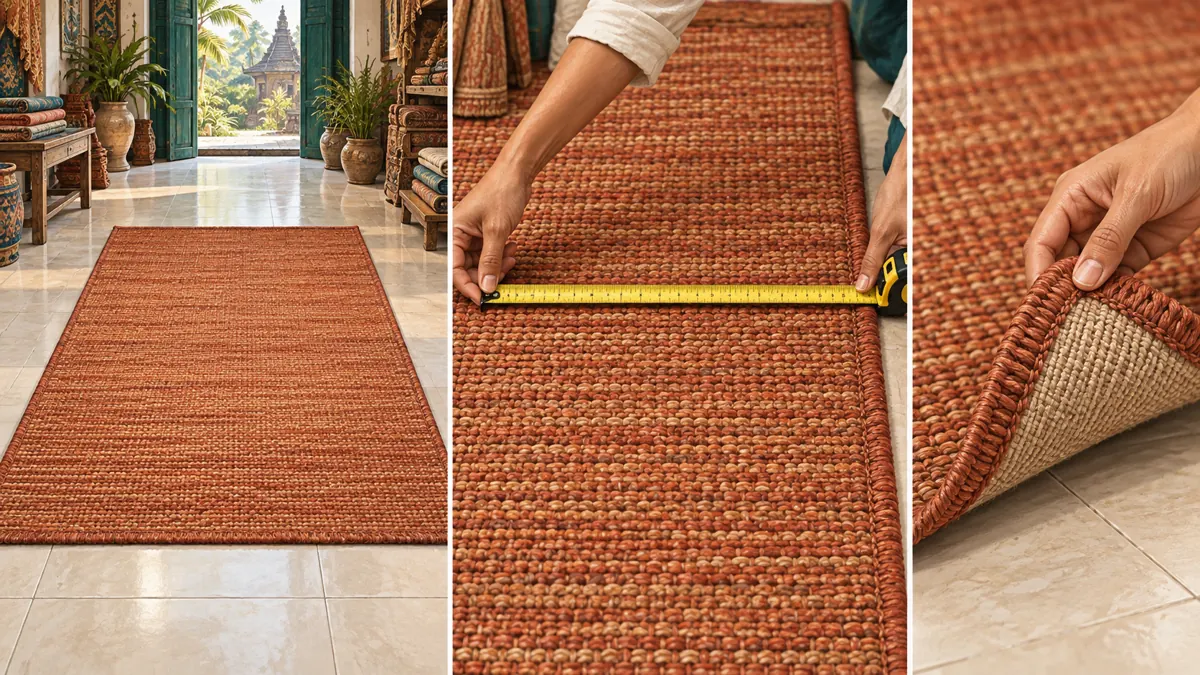
Begin with an overview that holds the complete rug in frame long enough to understand its outline. Introduce the sample and explain which way its length and width run. Avoid starting with a rapid decorative sweep if the main customer problem is recognising the product’s shape. A steady opening makes the later close views easier to interpret.
Next, film the measurement being discussed. Keep the relevant tape endpoints visible where practical, then add a closer view if the reading is too small. State the units clearly in the language used by your customers. Explain whether the quoted measurement includes fringe when that distinction matters, using the shop’s verified product information.
Finish with the detail that supports the enquiry: binding, fringe, backing or surface texture. Return briefly to the overview so viewers can place that detail within the whole product. Showing a backing does not establish slip resistance, and showing a flexible corner does not establish washability. Keep spoken claims within what the product information supports.
Treat a vertical version as a fresh composition
Before cropping a horizontal recording, preview what the narrower frame removes. Watch the entire action, including hands entering from the sides and the measuring tape extending across the rug. A crop that looks attractive in the opening frame may cut away the evidence needed later. Moving the crop window repeatedly can also make a simple demonstration harder to follow.
In a hypothetical Siem Reap shop, an editor crops an overview into a vertical clip. The central pattern remains sharp, but the width measurement disappears. The team should either film the measurement vertically with a suitable arrangement or give the vertical clip a narrower purpose, such as explaining the border finish. Its title and spoken introduction should reflect that purpose.
Keep separate exports clearly named by product, format and revision. This helps prevent the detail clip from being shared with a caption promising a complete size demonstration. Review each version independently even when both came from the same filming session.
Test understanding on an ordinary phone
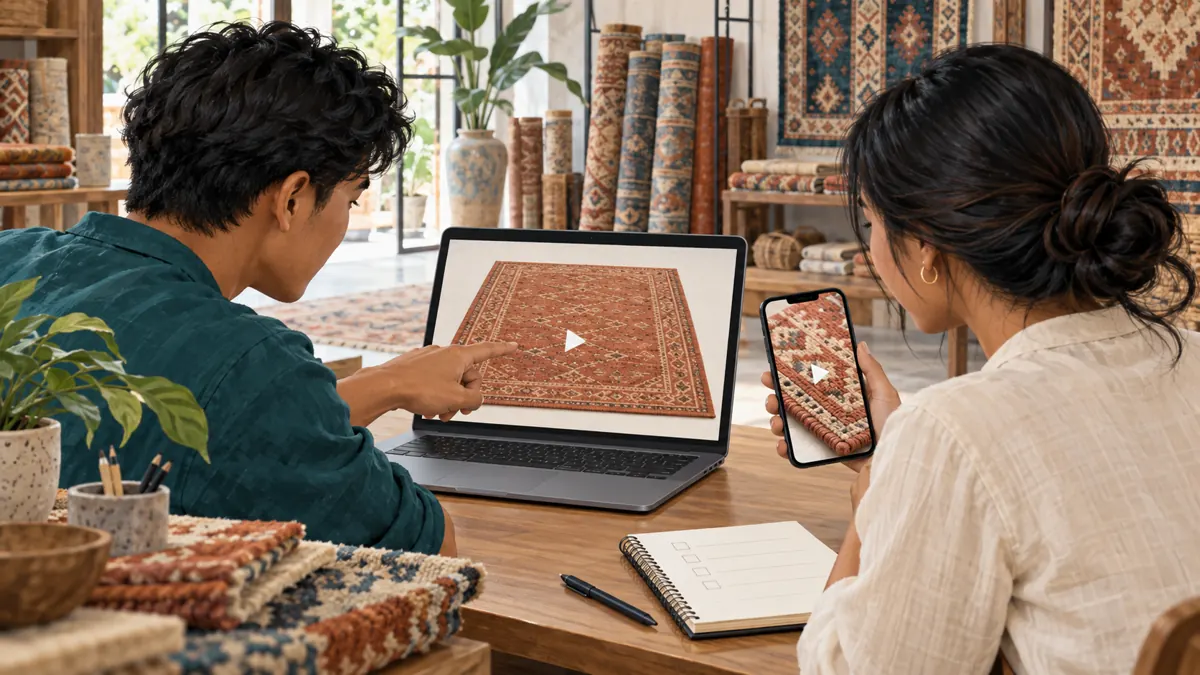
Ask a colleague who did not edit the video to watch it on a phone at a comfortable viewing size. Give them concrete questions: What product is shown? Which measurement is the width? Does the clip show the complete outline? Which detail is being explained? Their answers reveal omissions more clearly than asking whether the video looks professional.
Repeat the review with sound off, then with sound on. If dimensions are essential, make sure viewers have a readable way to obtain them without depending on a fleeting tape close-up. Use concise Khmer wording where appropriate for the intended customers, preserving genuine model identifiers. Check the actual exported video because editing previews can hide text-size problems.
Inspect the uploaded playback too. Look for clipped edges, unexpectedly small details and captions covering the part being demonstrated. A larger laptop screen is useful for spotting editing faults, but it should not be the only place the team decides whether a customer can understand the clip.
Review the SMM offer without borrowing its claims
The supplied SMMVR catalogue includes the exact public name “Youtube - Native Ads Views ~ 𝗥𝗘𝗙𝗜𝗟𝗟 30D ~ 10k-100k/days ~ INSTANT”. Its title presents it as a views service and includes advertising, timing and refill wording. The supplied description is empty, so it does not establish the delivery method, advertising placement, audience location or detailed conditions.
If evaluating that listing, request a clear explanation of how delivery occurs and what documentation supports the claimed method. Do not treat the words “Native Ads” as proof of an official platform relationship or verified ad delivery. If the method remains unclear, stop the purchase decision. Product clarity checks are useful regardless of whether any service is purchased.
YouTube prohibits artificially increasing engagement and warns that a hired promoter’s actions can affect a channel. Review https://support.google.com/youtube/answer/3399767?hl=en-419 before commissioning promotion. Purchased engagement is not evidence of genuine interest, sales, ad delivery or Cambodian users. A service completion record also cannot establish that viewers understood the rug’s dimensions.
Promote the explanation and listen for missing information
Share the approved demonstration where the shop already communicates with interested customers, using a message that identifies its practical value. An overview can help someone compare proportions; a binding close-up can answer an edge question. Give viewers a clear way to ask about the sample, available sizes and fulfilment options that the shop can actually provide.
Keep a small enquiry log recording the product mentioned, the question asked and whether staff needed to send another image. If customers still ask to see the whole rug, inspect the opening shot. If they understand the shape but need a different size, the next useful content may be a size comparison. Do not assume either pattern was caused by promotion without supporting evidence.
Fix common framing mistakes before spending more
The first common mistake is filling every part of the screen with texture. That can be attractive while hiding the outline. The second is shrinking the entire demonstration into a decorative background, making both measurements and details difficult to see. Use the available frame for the information the viewer needs, and remove decoration that competes with it.
Another mistake is treating a phone orientation as a marketing strategy. Horizontal and vertical footage are tools for different compositions; neither guarantees discovery, enquiries or sales. A final mistake is judging the edit only by a rising counter. Review the visible evidence and customer questions before deciding whether to reshoot, clarify the caption or commission any further promotion.
Frequently asked questions
Should a Cambodian rug shop always film horizontally?
No. Choose the frame around the information being shown. A broad rug overview often benefits from a horizontal composition, while an upright runner or binding detail may fit vertically. First check whether the product, hands and measurement endpoints remain visible. If one frame cannot explain everything clearly, use separate shots.
Can we crop an existing horizontal demonstration instead of filming again?
Yes, if the crop preserves the evidence needed for that clip’s stated purpose. Watch the entire crop, not just its opening image. If it removes the rug edges or measurement endpoints, either narrow the clip’s purpose and describe it accurately or film a new version. Sharp texture alone does not make a complete size demonstration.
Will a square video stay an ordinary YouTube video?
Do not assume so. YouTube’s current guidance classifies square or vertical uploads up to three minutes as Shorts on standard channels when uploaded on or after 15 October 2024. Decide the intended format before export, consult the linked official guidance and check the uploaded result before distributing the link.
Does a completed views service show that Cambodian buyers watched?
No. Completion describes the provider’s reported fulfilment against its own service conditions. It does not independently establish viewers’ location, authenticity, intent or purchasing behaviour. The supplied service title and empty description cannot verify those points. Use genuine enquiries and documented business outcomes when discussing customer response, and do not attribute them to an order without evidence.
What should we improve if people still ask how wide the rug is?
Check whether the width appears clearly, whether the units are stated and whether the video identifies the sample consistently. Ask someone unfamiliar with the edit to locate the answer. If they cannot, add a clearer measurement shot or concise explanation. More exposure should not be the first response to an unanswered product question.
Explore the current service catalogue, create an account, or ask a specific question through support tickets.
- YouTube Help: Video resolution and aspect ratios
- YouTube Help: Understand three-minute YouTube Shorts
- YouTube Help: Fake engagement policy
Prepared with AI assistance. Illustrations explain the workflow and do not represent customer results.