
20/10/2026 05:54
When Should the Colour Vote Close? Telegram Poll Deadlines for Cambodian Tote-Bag Workshops

A colour poll can give a Cambodian tote-bag workshop a useful reason to talk with its audience before showing a new sample. But an unanswered planning question sits behind the colourful options: when does the workshop stop collecting preferences and start sewing? If voting continues after fabric has been cut, customers may expect their late choices to affect a decision that has already been made. A clear closing time connects the conversation to a real production step. This guide explains how to prepare that deadline, check the Telegram poll, interpret the outcome and publish a useful follow-up. It also shows where an SMM panel service does—and does not—fit into the process.
1. Give the poll one modest job
Start with a decision you can reasonably let feedback influence. Choosing which available colour to photograph as the next sample is suitable. Deciding how much fabric to purchase for an entire season requires stronger evidence. Write the decision in one sentence before drafting the poll: the workshop will use the responses to help choose its next demonstration bag.
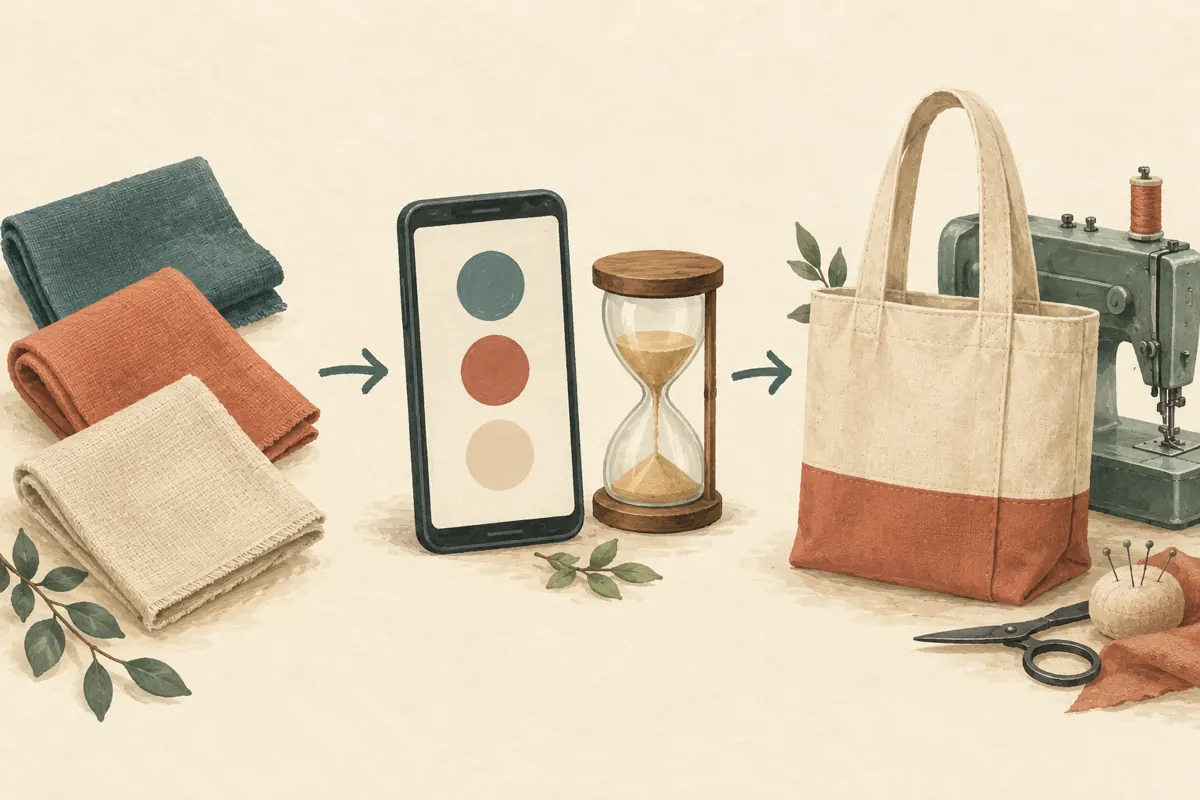
In a hypothetical Phnom Penh workshop, the maker has teal, clay and sand canvas available. All three can be sewn into the same tote design. The poll asks which colour viewers would like to see made first. It does not ask them to reserve a bag, accept a price or promise to visit. Keeping that scope small makes the eventual result easier to explain honestly.
2. Work backwards from the sewing decision
Choose the production decision time first, then leave a practical gap for reviewing responses and checking materials. In the hypothetical workshop, cutting begins on Thursday morning. A Wednesday evening closing time gives the maker an opportunity to review the result before preparing the table. The deadline serves the work schedule rather than creating artificial urgency.
Publish a complete date and time, explicitly described as Cambodia time. Avoid relying only on phrases such as tonight or tomorrow, which become confusing when a message is revisited. Include what happens next: voting closes, the workshop checks the available fabric, and a sample update follows. Promise a follow-up date only when someone has accepted responsibility for producing it.
3. Check Telegram’s time-limit controls before announcing them
Telegram’s official March 2026 update documents poll time limits and an option to hide results until time runs out. These features support a bounded feedback exercise. Open the poll composer in the intended group or channel, inspect the settings available in your app, and prepare a private rehearsal before posting the public invitation. Verify the actual closing behaviour instead of assuming that writing a deadline in the question will stop voting.
For the rehearsal, use a short test window and an authorised colleague’s account. Check whether the question, answer labels and closing information remain understandable from the participant’s view. After the test expires, confirm that another response cannot be submitted. If the necessary control is missing, check an updated official app before advertising an automatically closing poll. Do not promise functionality you have not verified.
4. Make the colours comparable before collecting votes
Photograph the available swatches together under consistent light. Use the same background and avoid giving one option a polished finished-bag photograph while showing another as a poorly lit scrap. That would mix preference for colour with preference for presentation. Explain that screens can display colours differently and that the image is a comparison aid, not an exact colour guarantee.
Give each option a plain colour name and a stable reference, such as teal canvas, clay canvas and sand canvas. If your customers need Khmer wording, have someone familiar with the materials review the customer-facing labels. Keep the same references in the poll and subsequent sample post. A voter should not need to guess whether the later description of warm brown means the earlier clay option.
5. Write the invitation and the exception rule together
A useful invitation contains the question, the closing time, the limited purpose and the next step. For the hypothetical workshop, an English planning draft could read: Which canvas colour should we make into our next sample tote? Choose one before the stated Wednesday deadline, Cambodia time. This helps us plan a demonstration; it does not reserve a bag. We will share the selected sample after checking the fabric.
Decide how you will handle ties or an unavailable material before publishing. A reasonable rule is to choose whichever tied colour can be made from existing stock. Say so briefly if it could affect the outcome. If you retain discretion, describe the vote as guidance. Avoid promising that the leading colour must be produced when supplier availability or a fabric defect could make that promise impossible.
6. Decide what participants should see
For this task, one colour choice usually produces a clearer answer than asking people to select everything they like. Telegram supports both anonymous polls and multiple-answer formats, but the configuration should follow the question. A simple sample preference rarely requires identifying individual voters. Check the anonymity setting and explain the poll’s purpose without collecting unrelated contact information.
If you use hidden results, tell participants that the outcome will be shared after closing. This can keep the discussion focused on each person’s preference, although it does not make the exercise scientifically representative. Whichever display you choose, keep the deadline consistent. Extending voting simply because your preferred colour is losing undermines the decision rule you asked people to trust.
7. Invite relevant feedback without purchasing apparent demand
Introduce the poll where people already have a reason to care about your bags: the workshop’s existing Telegram audience, a permitted community discussion or a customer conversation where an invitation is welcome. Explain the product and decision before sharing the link. Avoid repeated unsolicited messages or requests for friends to vote for a particular colour merely to make the result look convincing.
An SMMVR catalogue reference supplied for this article is “Telegram Members ~ Max 20k ~ 10k/Days ~ Instant ~ 𝗥𝗘𝗙𝗜𝗟𝗟 45D”. Its title identifies a member service, while the supplied description is empty. The title does not establish voter relevance, Cambodian location, genuine interest or buying intent. It also provides no basis for assuming that poll participation is included. Treat its speed and refill wording as catalogue claims requiring current clarification, not independent evidence.
For this workflow, a member service cannot answer which colour actual prospective customers prefer. Purchased engagement is not evidence of sales, ad delivery or Cambodian users. If the business has unrelated panel activity, record its timing separately and avoid presenting audience growth as validation of the poll. Choosing no panel purchase is a sensible outcome when the objective is useful product feedback.
8. Close the vote and make a proportionate decision
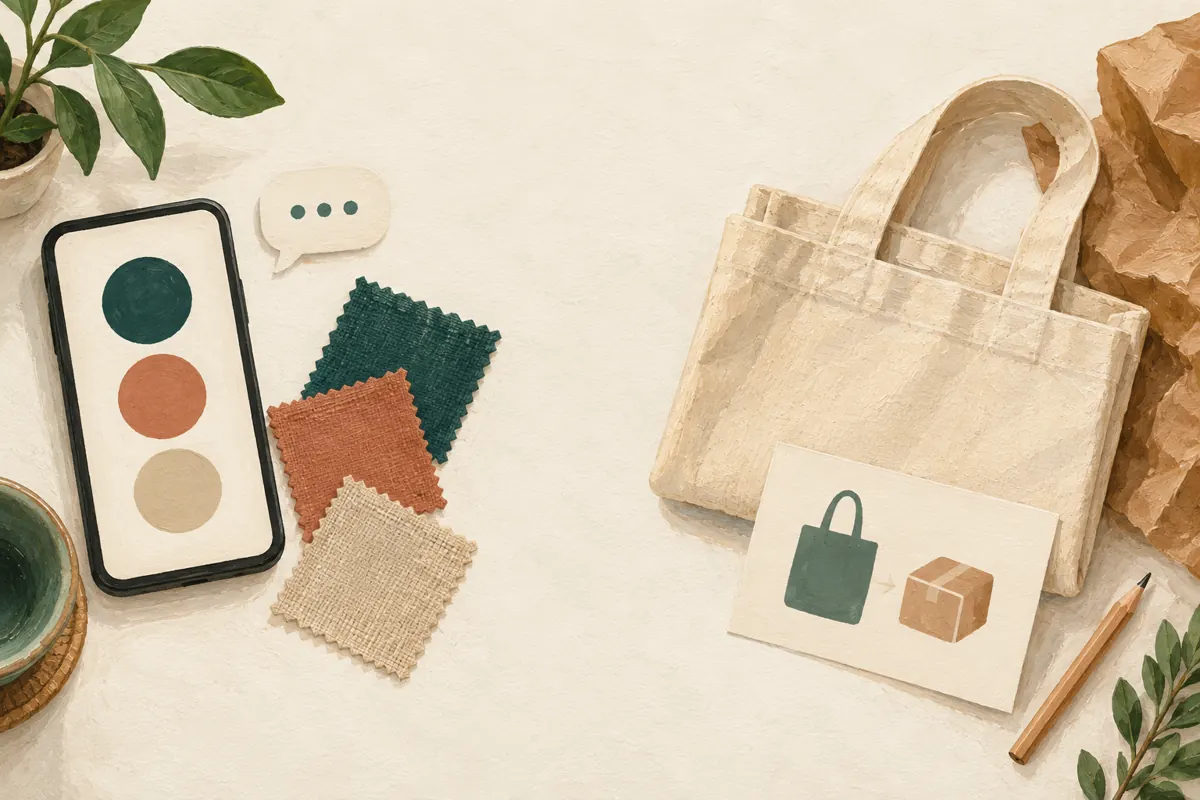
At the announced deadline, confirm that the poll has closed and save a brief internal record: question, options, closing time, observed result and the decision taken. Record the actual figures shown if they are useful, but do not convert them into a forecast of orders. A preference response carries no agreement about bag size, price, delivery or payment.
Interpret the result alongside the question’s narrow scope. If one colour leads, it can justify making that sample first. If participation is limited or the choices are close, describe the feedback as inconclusive and use the published fallback rule. Even a clear result describes the responding audience, not all shoppers in Phnom Penh or Cambodia. Keep the financial commitment proportionate to what you actually learned.
9. Turn the finished sample into the next useful post
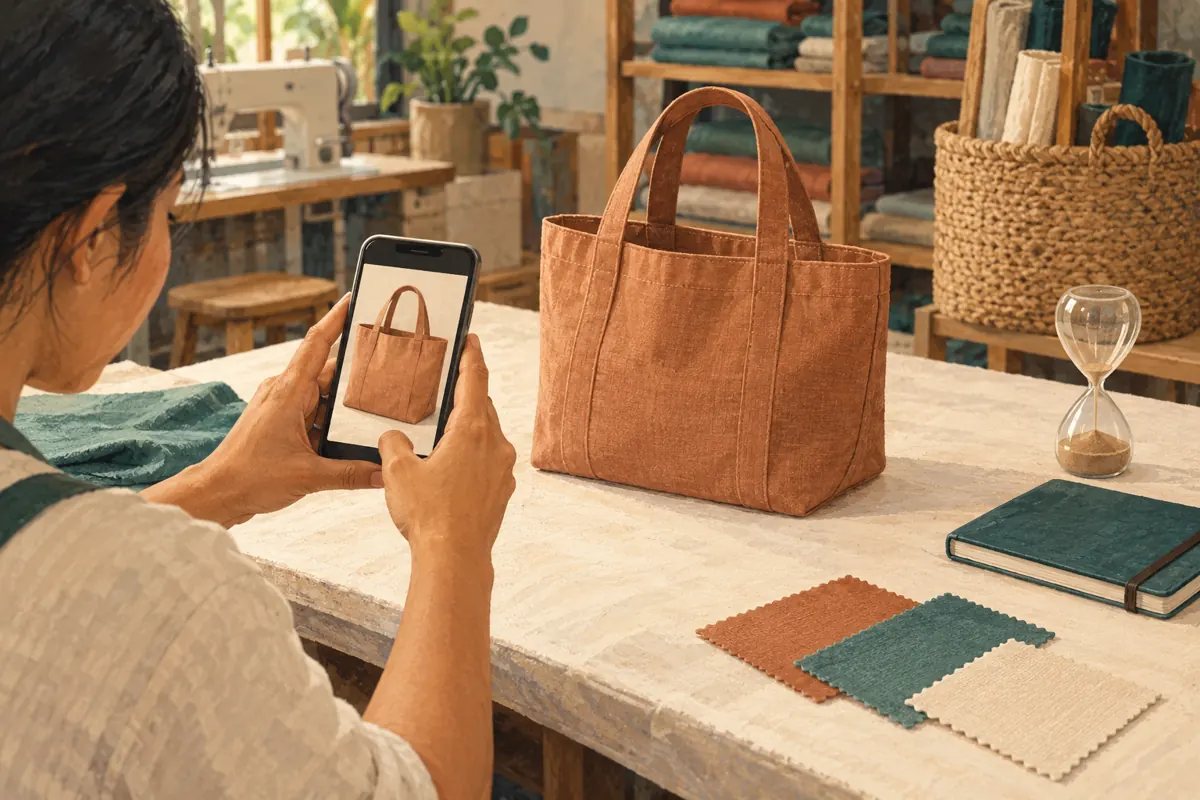
The follow-up should complete the promise made in the invitation. Show the selected sample, identify its colour using the original label and explain what the workshop decided. In the hypothetical example, the maker might say that clay was selected for the first demonstration and show the bag’s handles, base and interior. Do not describe voters as customers who ordered.
Give interested readers a separate route to discuss a purchase. Ask them to confirm the model, preferred colour, quantity and pickup or delivery needs before providing the relevant terms. Keep this enquiry process distinct from voting. A person who liked teal in a poll might ultimately want a different size, postpone buying or simply enjoy seeing the sewing process.
10. Handle late feedback and common mistakes consistently
Late suggestions can still inform a future sample. Acknowledge them without silently changing the closed exercise: explain that the current sample decision has been made and record the suggestion for another review. If a major mistake affected the original question, publish a correction and explain whether a replacement poll is needed. Keep the reason visible rather than making the earlier result disappear without context.
Common mistakes include offering colours that are unavailable, treating votes as reservations, promising automatic closure without testing it, and extending the deadline until a preferred outcome appears. Another is promoting the poll after its decision window has ended. Before resharing, check whether the useful destination is still the vote or now the sample reveal. That small check keeps promotion aligned with what readers can actually do.
Frequently asked questions
How long should a workshop leave the colour poll open?
Choose a window that gives the intended audience a reasonable opportunity to respond while leaving time for the maker to act. There is no universal duration that guarantees useful participation. Start with your cutting or photography schedule, consider when your existing audience normally encounters updates, and publish a definite closing time. A deadline you can honour is more useful than a longer poll that delays production.
Should we hide the results until voting finishes?
That is reasonable when you want people to focus on their own preferences rather than follow the visible leader. Telegram documents this option alongside poll time limits. Explain the choice before people vote and provide a follow-up after closing. Hidden results do not prove that respondents are customers or that the result represents the Cambodian market.
What if the leading colour becomes unavailable?
Explain the material problem and use the exception rule published with the invitation. You might make the next available colour as a demonstration or postpone the sample. If the change substantially alters what people were choosing, invite fresh feedback with a clearly revised question. Never present the substitute as the original winner or imply that voters agreed to an unavailable product’s replacement.
Can a Telegram member service make the poll more reliable?
A larger member count alone cannot establish the relevance or independence of responses. The supplied member-service title does not document Cambodian targeting or poll participation. For this decision, seek voluntary input from people who understand the product, and report the result only as feedback from respondents. Keep any purchased activity separate from claims about customer interest.
What should we measure after publishing the sample?
Record whether the workshop completed the promised sample and whether subsequent enquiries contain useful buying details, such as model, quantity and delivery needs. Keep confirmed orders in the normal business record. These observations answer different questions from the poll. Avoid attributing a sale to the vote unless the customer or a reliable record supports that connection.
Explore the current service catalogue, create an account, or ask a specific question through support tickets.
- Telegram: AI Editor, Mighty Polls, Live Photos, Bots Managed by Bots, and More
- Telegram: Polls 2.0 — Visible Votes, Multiple Answers, and Quiz Mode
Prepared with AI assistance. Illustrations explain the workflow and do not represent customer results.